
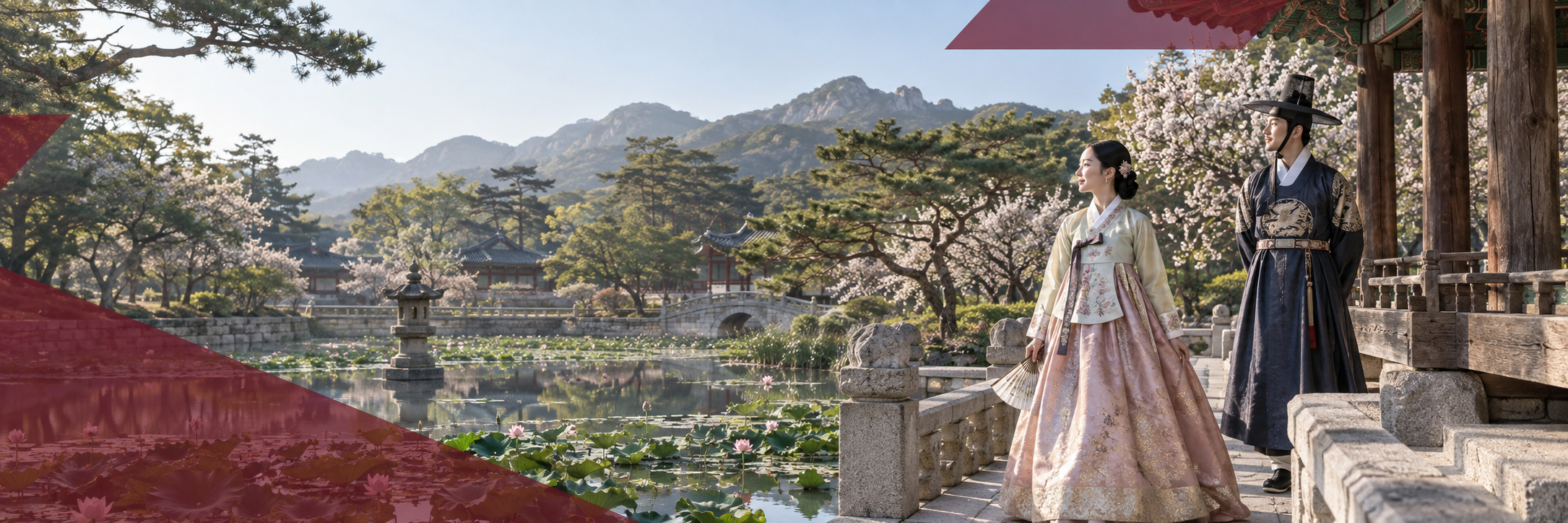

At the imperial court of ancient China, the so-called Kowtow ritual determined the survival of every aristocrat, as hierarchy was a matter of millimetre-precise bodily control. Those who approached the Son of Heaven were required not merely to bow, but to kneel three times in succession, striking their foreheads audibly against the palace floor each time. The court ceremonial master paid meticulous attention to whether the impact resonated sufficiently in the hall, for a timid knock was considered a grave insult to majesty and could result in the immediate loss of all noble privileges. To secure the ruler’s favour, ambitious mandarins and princes often polished their foreheads before audiences to ensure that the ritual strike against the cold marble tiles of the Forbidden City left the desired acoustic impression. When European envoys in the 18th century refused this kneeling, insisting they bowed only before God, the emperor promptly sent them home empty-handed – for the Chinese nobility, those who did not worship the heavenly ruler with full bodily commitment simply did not exist.
While European nobles inherited their status effortlessly, the descendants of dynasties in imperial China faced the ruthless principle of descending nobility. The son of a duke did not automatically inherit the same rank but slipped down a notch to marquis, whose son in turn became a count, and after a few generations, the formerly imperial line would find itself back among the commoners. To halt this social decline, young aristocrats had to sweat over ancient Confucian texts for years and undergo the notorious civil service examinations. Those who failed the exams or were caught cheating in the tiny examination cells quickly lost their claim to palace support, servants, and silk garments. While the system prevented the court nobility from becoming complacent, it drove generations of pampered princely sons into collective nervous breakdowns, as no family tree in the world could protect them from a poor grade in an essay on state philosophy.
In feudal Japan, under the Tokugawa shogunate, there was a discipline among the nobility that resembled a permanent high-security state. At the head of the regional principalities were the Daimyō, who ruled vast provinces and were protected by armies of loyal samurai. To keep these powerful warlords on a short leash, the shōgun invented the system of Sankin kōtai: every lord had to personally reside at the court in Edo – present-day Tokyo – every other year and finance an extravagant court life there. When the daimyō was allowed to return to his home province after a year, he had to leave his wife and children as official hostages in Edo. The annual journeys, accompanied by hundreds of servants, drummers, and bodyguards, consumed such enormous sums of money that the lords simply lacked the budget to instigate secret uprisings or rebellions. Thus, the shōgun tamed the warrior class of the samurai not on the battlefield, but through exorbitantly costly compulsory travels and ruinous court etiquette.
In the Manchu dynasty of the Qing emperors, every subject could discern at a glance how much power and wealth their counterpart possessed by looking at their hat. The ranking system of the so-called mandarins was divided into nine strict classes, distinguished by the intricately cut buttons on the tops of their conical hats. The absolute upper class of ministers and imperial advisors wore a sparkling deep red ruby on their heads, while the lower ranks were graded from coral, sapphires, lapis lazuli, and crystal down to simply engraved gold. Those who dared to adorn their headgear with a stone that was even a shade above their rightful rank risked not only punishment with a bamboo rod but immediate banishment to the icy border with Mongolia. In all weather, officials clutched their hats tightly, for anyone who lost their official headgear in the crowd suddenly stood completely exposed and without official authority on the street.
The Japanese Tennō was not regarded for many centuries as an ordinary prince or king, but as a direct, living descendant of the sun goddess Amaterasu. This sacred aura, however, meant that the emperor was often completely powerless, imprisoned in his palace in Kyoto, while the military shōgun wielded actual political power with an iron fist. The Tennō was not allowed to touch the palace floor with bare feet, as the earth was too impure for a divine being, and was carried at every step on silken mats. Even cutting his fingernails or washing his hair resembled a religious state action, permitted only while the emperor slept, to preserve the illusion of untouchable perfection. He lived in a gilded soap bubble of poetry, calligraphy, and incense offerings – revered as the holiest being in the land, yet politically so powerless that he could not even determine the menu of his own dinner.